
We’ve put together this list of our top 8 spring cleaning tips for your home’s energy efficiency and electricity savings, so that you can stay comfortable without the cooling costs.
 By Jordan Watts
Spring has sprung and summer is well on the way in the United States– along with warm weather electricity bills. We all know that as temperatures rise so can your electricity bill if you’re not careful. That’s why we’ve put together this list of our top 8 spring cleaning tips for your home’s energy efficiency and electricity savings, so that you can stay comfortable without the cooling costs.
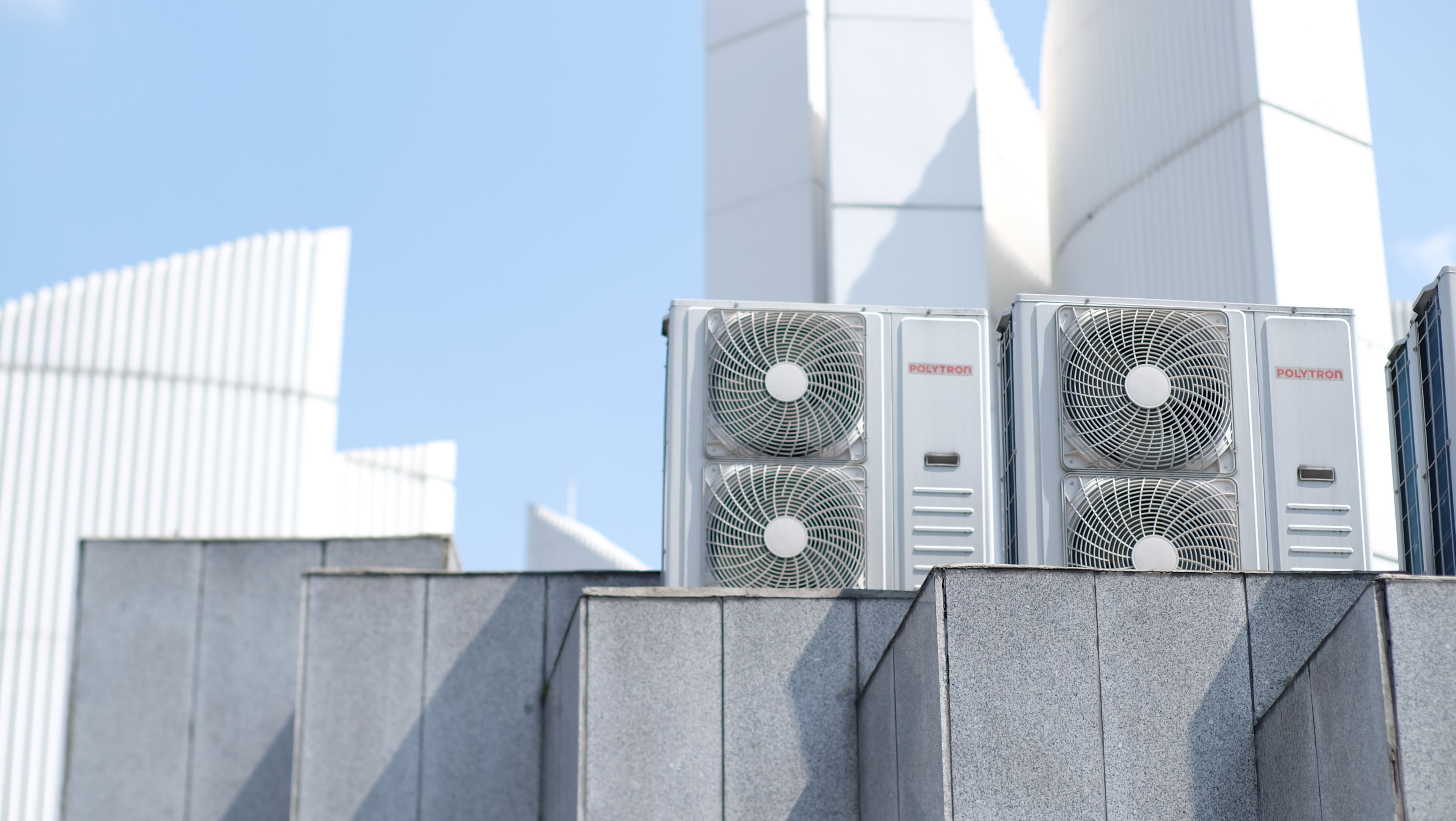
Heating and cooling your home make up for more than half of your electricity bill, with your HVAC system using more energy than any other appliance. With this in mind it makes sense to tackle the biggest opportunity for savings first. Plus, spring is the perfect time for air conditioning maintenance to ensure it’s good to go ahead of summer. The last thing you want is for the AC to come crashing to a halt while it’s 100˚ outside.
A professional AC tune will cost around $100-$200, depending on who you use. That said, many utility providers and suppliers offer free or discounted AC maintenance to help you save.
Pro Tip: See if your utility offers free or discounted AC maintenance and check their exact policies here.
There are also several low cost, high impact steps you can take on your own to help keep things running smoothly all summer long, including replacing your air filter, checking ductwork for leaks, and cleaning the coil on your outdoor unit.
The next time you dust your light fixtures, go ahead and flip the direction switch on your ceiling fan. In the spring and summer ceiling fans should run counterclockwise to help create a downdraft, pushing cool air towards the floor. Running a fan also helps ensure that chilled air is distributed more efficiently throughout the room– allowing your AC to run a little easier.
Just remember, while ceiling fans help move cool air towards you they don’t actually produce chilled air. So when you leave the room remember to turn them off to help save energy.
Insulation degrades over time, meaning what was once more than enough might not cut it now. Proper insulation should completely cover the joists in your attic floor, preventing cool air from sneaking out through the cracks.
The same is true with insulation for your windows and doors. It’s important to check for cracks and openings around frames to keep warm air from leaking into your home. You can use caulk or weatherstripping to seal air leaks with a DIY fix.
If you’re anything like us, dust bunnies moved in behind the refrigerator when it was replaced and haven’t left since. And while their furry counterparts might be cute, these guys are causing your refrigerator to work harder, not smarter.
Pull your fridge away from the wall and unplug it for a couple minutes. Locate the condenser coils, which are usually at the back or underneath the appliance and use a vacuum cleaner to suck up any dust that’s covering it. If the coils are greasy, you can also wipe them down with a cloth soaked in warm water and diluted dish soap.
Take advantage of that gorgeous natural lighting this season by washing your windows inside and out to remove dirt and grime that built up over the winter. This is also a great time to install new curtains or blinds that you can close in rooms you want to keep cool. By blocking out radiant heat from the sun curtains can help reduce the temperature in a room by up to 15˚.
If you can live with it, adjusting your thermostat by a few degrees in the springtime to reduce heating and cooling can make a big impact on your electricity bill. The smaller the difference between the temperature inside your home and outside, the less energy your AC will use.
That said, we understand if you’re unwilling to part with your perfect 68˚refuge from the Texas heat. At the very least though, consider turning up the thermostat in your home when you’re away for more than a few hours. This can save you a significant amount of money over the course of the season– especially if you’ll be away on vacation for a few days. Plus, if you own a programmable thermostat you can automatically cool your home before you get home. It’s the best of both worlds.
Pro Tip: Avoid setting your thermostat to extreme temperatures when you first turn on the air conditioning. It won’t cool your home any faster and could result in excessive cooling expenses.
Water heating accounts for just under 20% of the energy consumed in many homes, making it an ideal place to improve energy efficiency and save money on your bill. Best of all, you can do it with no cold showers necessary. Just reduce the temperature on your water heater to 120˚ (as recommended by the Consumer Product Safety Commission) to help save on heating costs and prevent scalding. While you’re at it, make sure to flush the tan to remove any sediment that might be impacting efficiency.
If you live in an area with deregulated electricity, spring is the ideal time to start shopping around for a new plan. Since demand on the electricity grid is low, prices are typically at their most competitive– meaning that you could save throughout the entire duration of your contract, not just the next month.
Find out if you live in a deregulated area with help from EnergyBot’s ESID tool or start comparing the cheapest plans in your area in minutes with our Energy X-ray tool.


.jpg)
.jpg)





