
Learn how Texas weather affects electricity prices, why extreme conditions drive rates higher, and when to shop for the lowest energy plan.
 By Jordan Watts
The weather in Texas has a big impact on more than just your mood– it also has a significant effect on electricity rates. While blue skies and sunshine might bring you out of the house, extreme heat can quickly send you back inside to relax in the AC. Similarly, a crisp autumn day might put a little extra pep in your step, but snowmageddon will instantly have you curled up with the heater on.
Extreme weather of any sort tends to send bills skyrocketing since heating and cooling tends to use more electricity than any other household appliance. So, to keep the vibes high and your electricity bill low we’re breaking down exactly how the weather (extreme and typical) affects Texas electricity rates.
The weather can have a big impact on every type of electricity production in Texas. Solar generation obviously goes down when the sun isn’t shining and windmills can’t produce as much electricity when the wind isn’t blowing. Natural gas isn’t immune to the weather either. Extreme winter storms, like Winter Storm Uri, can shut down power plans and halt electricity production due to freezing and fuel problems.
While utility scale battery storage is beginning to solve these issues, and can help keep your home online in the event of a power outage, they certainly can’t fully replace the Texas Power Grid. At least not yet. So, what do we do when the perfect weather isn’t available for power production?
The Electric Reliability Council of Texas, also known as ERCOT, works with power generators on an annual, monthly, and daily basis to evaluate energy availability and power outage risks. One of ERCOT’s main jobs is to manage the flow of electricity for Texans, ensuring you have safe and reliable power.
In the event of an emergency, ERCOT can call on additional resources to generate power but this type of on-demand energy is typically very expensive.
On a typical day, only a small portion of the load on the Texas electricity grid is from residential energy usage. But in the peak of Texas summer when it’s 102˚ outside? Or when we get the occasional Snowmageddon that stays burned into everyone’s minds for the next 10 years? Residential electricity can easily jump up to almost 50% of the total ERCOT load.
This is because heating and cooling your home make up a significant portion of your electricity bill. Texans demand comfort and we don’t blame you. But, that does mean energy usage spikes rapidly when the weather gets too extreme in either direction. The more extreme the weather is, the more electricity that most folks will use.
All that said, it’s still important we’re not all constantly worried about grid reliability. That’s why ERCOT has some strategies in place to manage demand throughout all types of weather. Especially extreme winter storms and intense heatwaves.
For starters, industrial customers that use large amounts of electricity participate in demand response programs where they pull back on power usage when ERCOT asks them too. Similarly, many electricity providers have residential programs where you can get paid to conserve energy during peak times. Whether they’re worth it or not is up to you, but if you have a smart thermostat you might be eligible.
The truth is, electricity demand in Texas has been on the rise for a long time. Between a growing population, an increase in businesses calling the Lonestar State home, and more frequent extreme weather, high demand likely won’t be going anywhere but up.
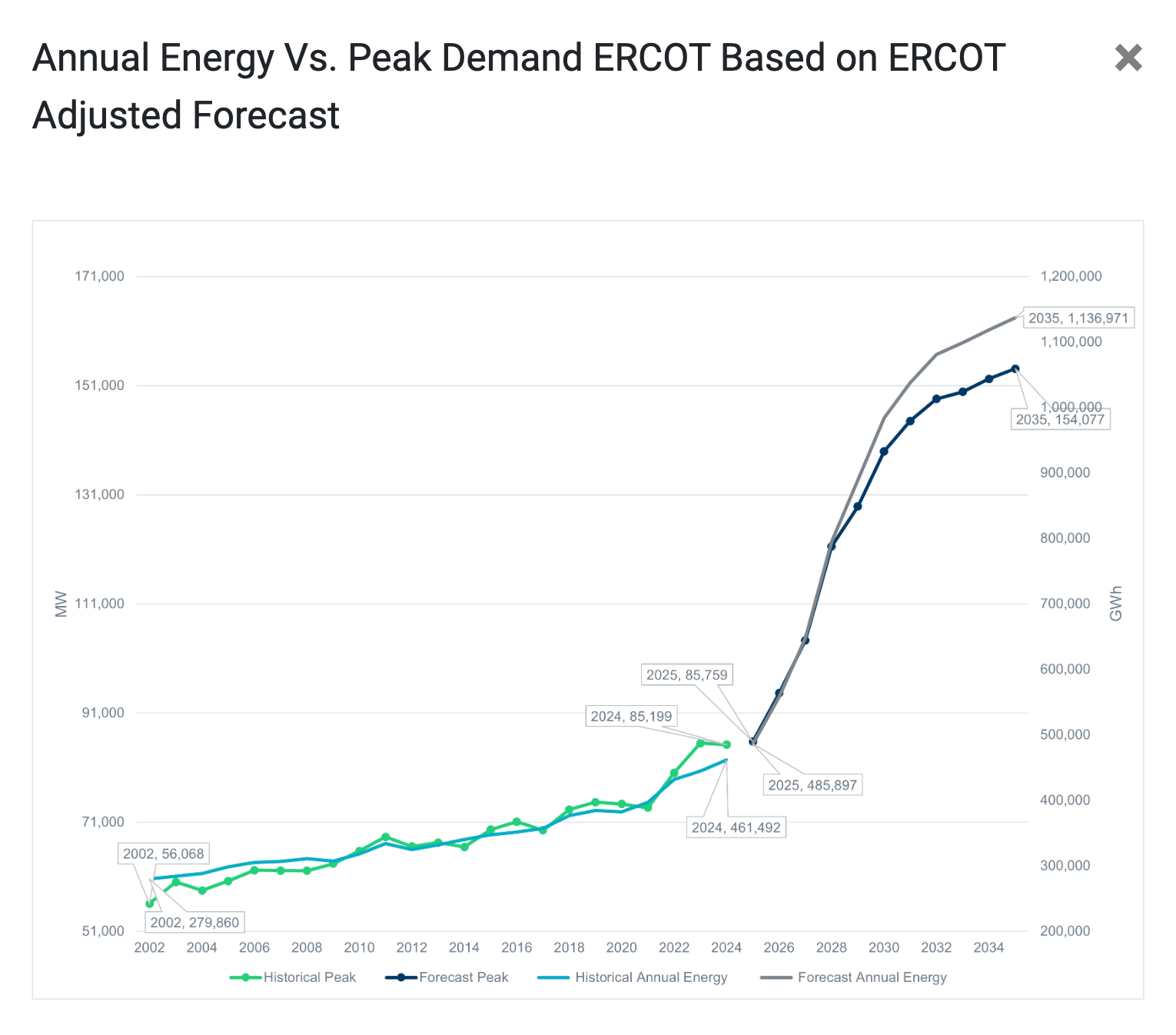
All this leads to the real question: what about my electricity bill? How does increasing demand and extreme weather affect my monthly costs?
Simple. Extreme weather in Texas drives up electricity prices.
Although it may feel like you have an endless supply of power at your fingertips, electricity is a limited resource. Retail electricity providers (REPs) see weather forecasts and can predict when demand will spike and begin buying up power– driving prices upward.
During extreme weather even the fixed rates available will be priced significantly higher than normal. This means that the worst time to shop for a fixed rate plan is during periods of extreme weather and high market volatility. Occasionally prices will get so out of control that we’ve even started to see providers stop accepting new customers during extreme weather events, like Winter Storm Uri.
The only time we ever recommend enrolling in a variable rate energy plan is if your contract expires during an extreme weather event. Once prices return to normal you can easily switch over to a fixed-rate plan at a reasonable price– even if you were only on the variable rate for a few days.
Pro Tip: Shopping before your contract’s end date will help you avoid this debacle altogether by ensuring that you’re never scrambling for power. In Texas you can start shopping 60 days before your current contract’s end date.
At EnergyBot, we recommend fixed rate plans most often because they’re the most straightforward in terms of pricing and the best way to protect yourself from market volatility.
Whether Texas is experiencing another extreme weather event or current political climates are driving up the price of power, fixed-rate plans will remain the same and insulate you from drastic changes to your monthly bill. Since your energy provider commits to a specific price per kWh for the entire duration of your contract there won’t be any surprises. If the price of power does skyrocket on the wholesale market, they deal with the headache of buying extra power– not you.
If you are on a month to month contract when extreme weather hits, your rate will likely jump dramatically. After all, your rate can change every month with little to no constraints. When things on the wholesale market skyrocket REPs will do anything they can to recoup their energy costs– including having you foot more of the bill.
Our best advice is to shop as soon as possible after weather (and energy prices) stabilize at a normal rate. Since you’re on a variable rate electricity plan you shouldn’t face any early termination fees switching. Start comparing the real rates of the most competitive plans in your area today with Energy X-ray– we help you find the cheapest plan without the tricks in 10 minutes or less.



.jpg)
.jpg)





