
 By Jordan Watts
Things are heating up across the United States fast this summer, so it’s time to settle the heated age old debate: AC or fan?
In this blog we’ll break down how air conditioners and fans work to cool your home and keep you comfortable while we wait out this heat wave. We’ll also breakdown how much electricity each uses and how you can improve efficiency to save on power bills all summer long.
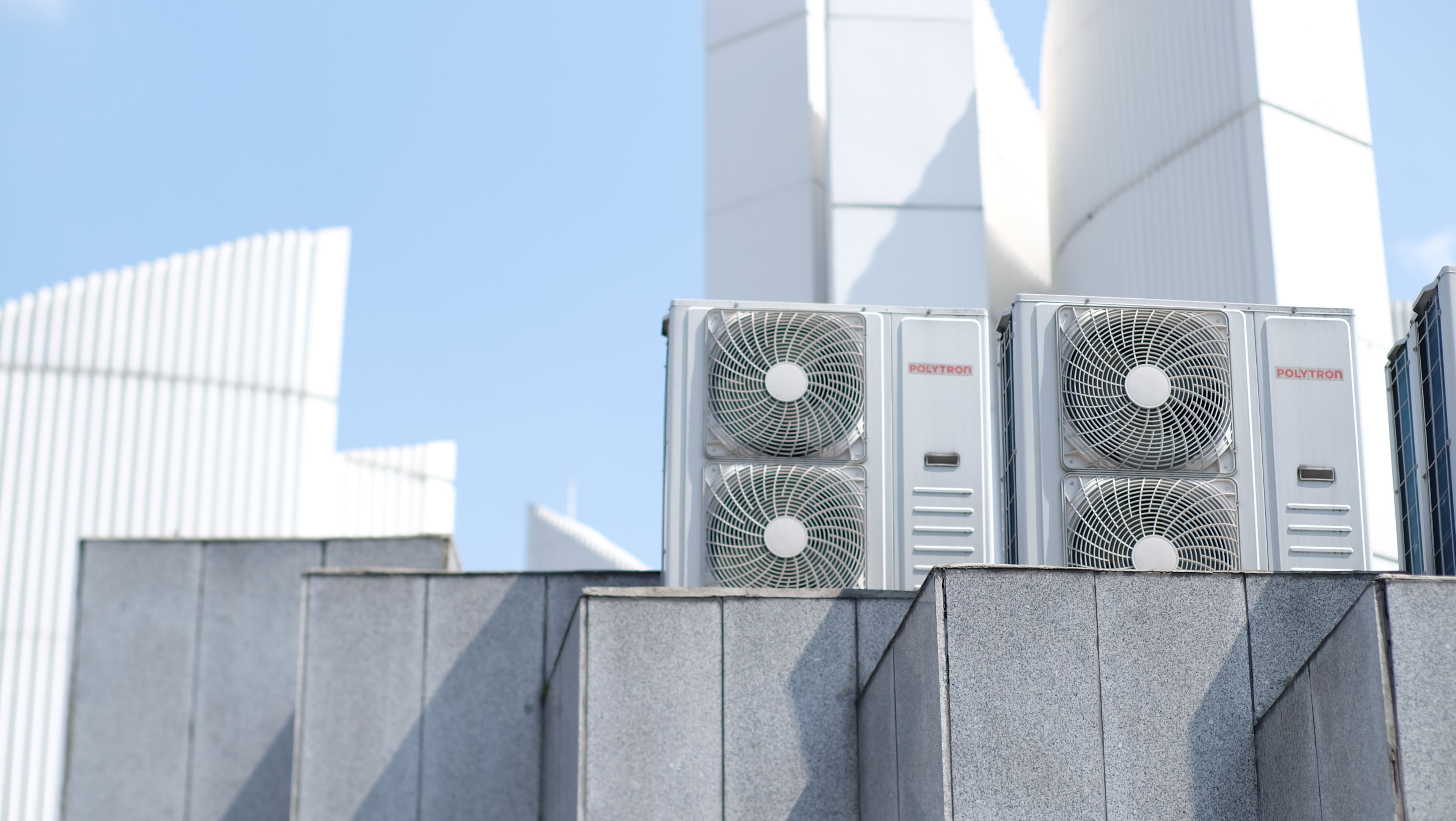
Air conditioning works by removing heat and moisture from inside your home and transferring it outdoors. It doesn’t “make” cold air so much as remove hot air and dehumidify the space. Whether you have central AC that utilizes ducts throughout your home or use window units that cool a specific room, they all work the same way.
But what about the AC fan? Where does that come in? Good question. The AC fan, also known as the blower fan, pushes cooled air back into the room (in the case of a window unit) or through the ductwork to be distributed throughout your home for central AC.
Does this mean that you should run your AC fan all the time? Not at all. The auto setting will ensure that cooled air gets pushed out into the house when the HVAC system is running but conserves energy by turning off when it’s not. More importantly, running the AC fan all the time can lead to higher humidity making the room feel sticky.
They don’t, not actually. Fans don’t actually cool your home, although they can make you feel cooler. People generally feel cooler when they’re standing or sitting under a fan because of two things: convection and evaporation.
Convection happens when heat is displaced by moving air. Fans create air currents that enhance the wind-chill effect by primarily leveraging the movement of air to displace heat from the body. Your body is constantly producing heat, so move that heat away from you and cooler air will take its place. Tada! You feel cooler. The faster new air hits your body, the cooler you’ll feel.
When you sweat, tiny beads of moisture pile up on the surface of your skin creating that sticky feeling when you’ve been outside in the sun or finished a workout. The breeze from a fan helps evaporate that moisture and helps you feel cooler.
In general a ceiling fan will help you feel cooler than a stationary fan, at least according to the Department of Energy, because they work alongside your AC to circulate air conditioned air.
Pro Tip: Since a fan cools the people, not the place, it’s worthwhile to turn it off when you leave the room to improve energy efficiency.
While the answer might seem pretty obvious, we figured it’s best if we just do the math for your peace of mind.
Your air conditioning’s energy usage is influenced by several factors, including: home size, thermostat setting, frequency of use, and whether ceiling fans are running at the same time. On the other hand, your ceiling fan’s energy usage only really depends on how long it’s on.
To make things easy, you can plug in all the variables for your home to get your exact energy usage and estimated cost here.

As you can see, central AC uses a lot of energy– and adds a lot of money to your electricity bill at the end of the month. In fact, AC is known to be one of the biggest energy hogs, especially in places like Texas that get particularly hot during the summer.
Fans use an estimated 97-99% less electricity while running than AC.
Our best advice when it comes to using the AC or the fan? Use both.
By setting your thermostat to the recommended settings for summer cooling and turning on fans whenever you’re in the room, you can maximize energy efficiency and your comfort. While the AC will keep your house cool, the fan creates a nice breeze to ensure your comfort and also helps to circulate air conditioned air effectively. This way you can raise the temperature in your home slightly without sacrificing comfort.
Just make sure that you aren’t overpaying for either by locking in the best electricity rate this summer with help from EnergyBot.


.jpg)
.jpg)





